Second Harvest AI Warehouse Infrastructure

Recover More.
Waste Less.
Feed Tomorrow.

An AI-powered reverse supply chain platform that intercepts vulnerable packaged inventory from retailers, dark stores, and manufacturers before it becomes landfill waste.

0
Million Tonnes Wasted Annually in India
30-70%
Discount to MRP for Urban Families
0
% Target Gross Margin per Unit
Indian kirana store shelves stocked with packaged FMCG goods
Verified Impact Data · Independent Research

The Cost of Inaction, In Numbers

Peer-reviewed data quantifies the scale of India’s packaged food loss crisis. Every statistic below is sourced from public research.

Economic
Source: World Bank
0Trillion+

Annual economic loss from food waste in India

SeverityCritical
Climate
Source: UN FAO & IPCC
00%

Global greenhouse gas emissions linked directly to food waste

Global ImpactHigh
Water
Source: FAO Water Report
0,000M+Litres

Water embedded in annually wasted food across India

Resource LossSevere
Household
Source: MoSPI CPI Index
00%

Year-on-year food inflation burden on price sensitive urban families

Household BurdenRising
Data compiled from World Bank, UN FAO, IPCC AR6 & MoSPI. Public reports referenced 2023–2024.

The Food is Not Failing. The Supply Chain Is.

Packaged food is routinely destroyed not because it is spoiled, but because standard retail compliance pull dates force removal weeks before true expiration.
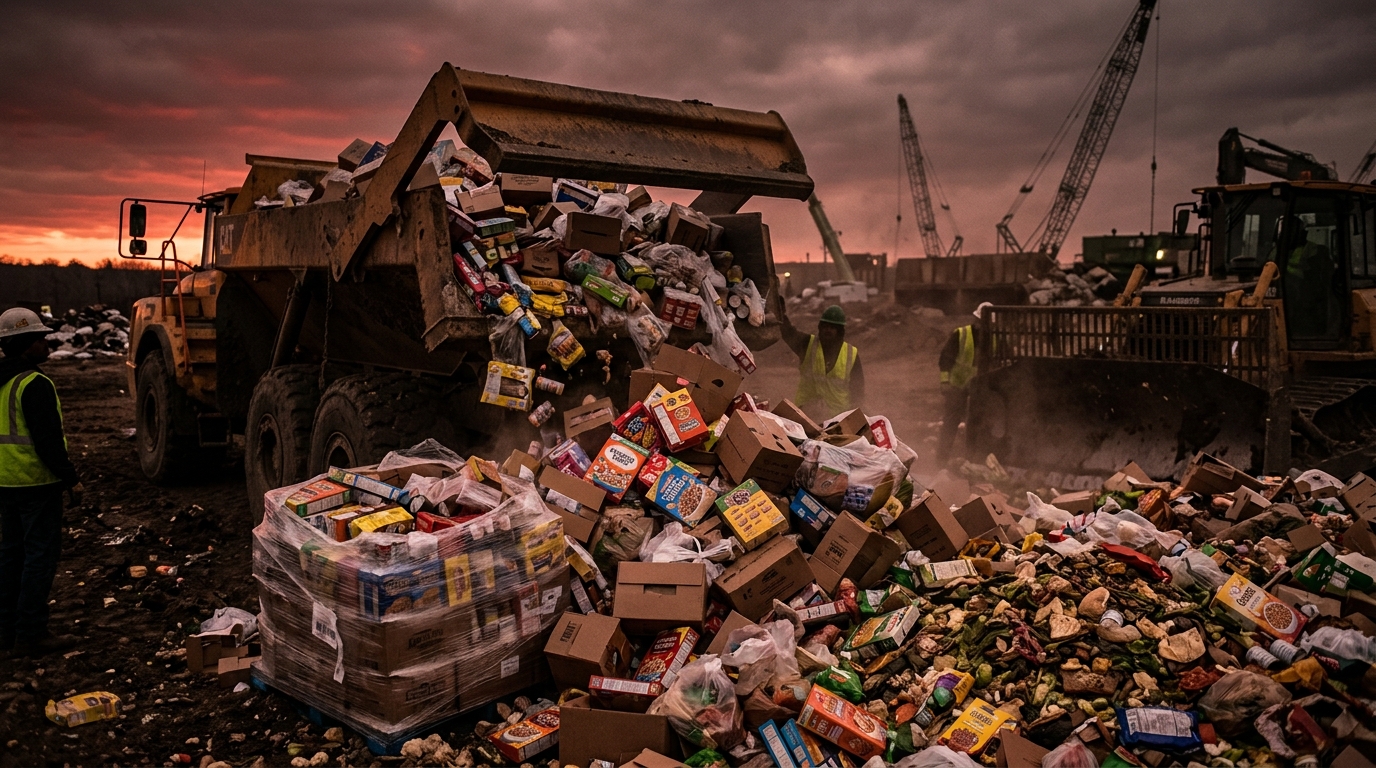
Industrial food destruction crisis

Perfectly edible products discarded due to arbitrary 30-day compliance pull rules.

Modern Retail & Quick Commerce Expansion

Supermarkets and dark stores enforce 30-day shelf rules. Items nearing this threshold are pulled, creating high volume inventory write-offs.

Manufacturing & Distribution Complexity

Forecast errors, minor packaging misprints, and cancelled wholesale orders lead to massive surplus inventory stuck in FMCG warehouses.

Zero Infrastructure for Packaged Recovery

While fresh food donations exist, India has lacked a technology-driven, quality-checked reverse commercial model for packaged FMCG inventory.

Consumer Affordability Gap

Millions of low to middle income urban households struggle with rising food prices, paying thousands extra per month for daily essentials.

How Second Harvest Restores Value

An end-to-end circular reverse supply chain converting write-off liabilities into affordable essential nutrition.

01
Stage 01 · AI Layer

Data Intelligence & Risk Scoring

Our machine learning layer tracks SKU-level inventory health across partner databases. Predictive analytics flag vulnerable stock up to 14 days before disposal thresholds are reached.

Real-Time Inventory Signals Predictive Expiry Engine SKU Risk Score 1-100
02
Stage 02 · Sourcing

Discounted Procurement & Logistics

Second Harvest acquires flagged inventory at discounted acquisition prices (targeting 25 to 35% of MRP). Last-mile pickups are route-optimized by our platform to minimize transit overhead.

Dynamic Pricing Route Optimization Asset-Light Sourcing
03
Stage 03 · Compliance

Sorting & FSSAI Quality Validation

Every recovered batch enters our local sorting hub for rigorous physical inspection, safety checks, and grading (Grades A, B, C). Transparent labeling clearly indicates remaining shelf life.

FSSAI Compliance Safety Grading Batch Traceability
04
Stage 04 · Distribution

Multichannel Redistribution

Validated goods flow to consumers through our app, WhatsApp commerce channels, discount retail partners, and local community reseller networks at 30 to 70% below MRP.

WhatsApp Commerce Women Micro-Resellers Hyperlocal Hubs
05
Stage 05 · Circularity

Residual Processing (Zero Landfill)

Any non-edible residual inventory is diverted to verified animal feed processors and industrial by-product conversion. Zero food reaches landfills.

Animal Feed Conversion Industrial By-Products 100% Resource Circularity

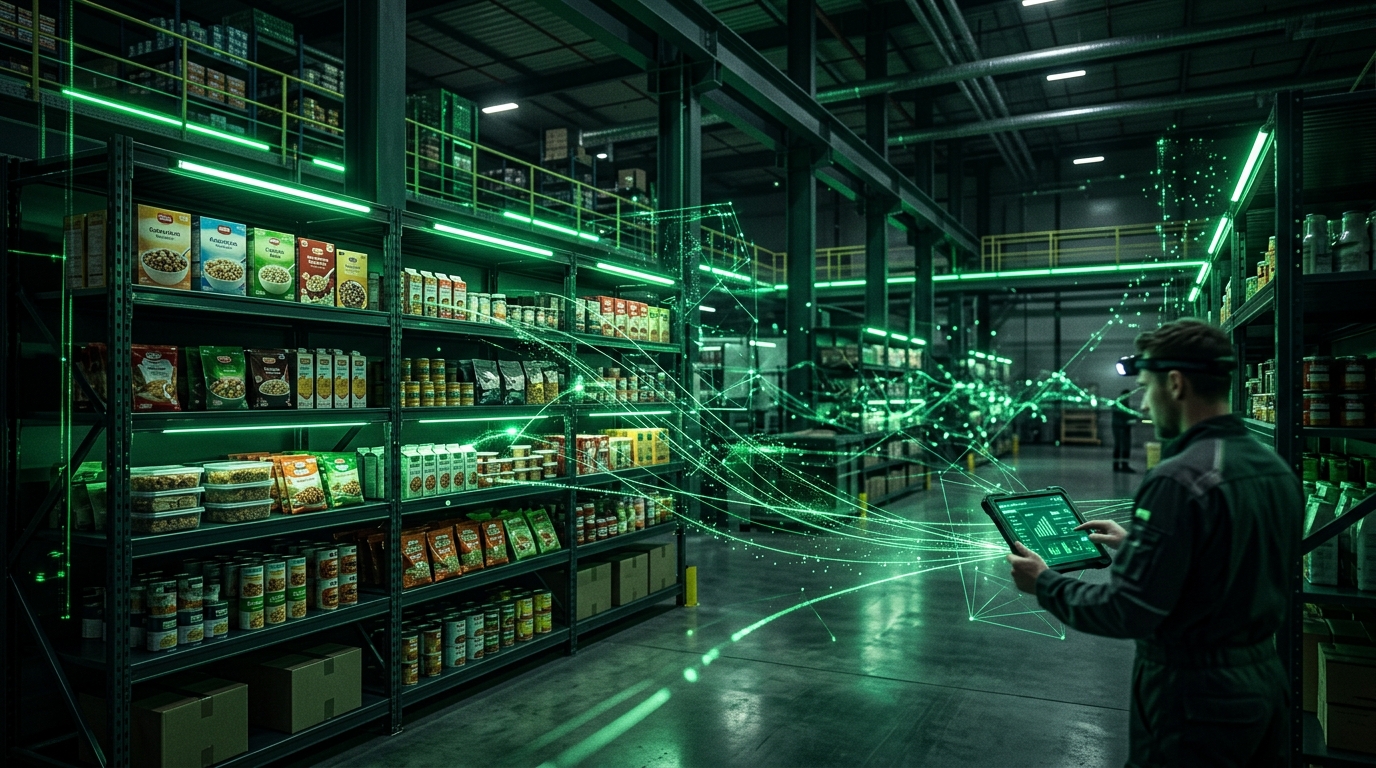
Predictive Analytics for Inventory Recovery

Our proprietary software turns unstructured retail data into actionable early warning recovery insights.

Modern warehouse inventory shelves and logistics operations
92% Recovery Forecast Accuracy

SKU Level Monitoring

Provides real-time visibility across thousands of SKUs in warehouses, dark stores, and retail partner shelves.

14-Day Predictive Window

Predicts expiry risk before pull dates trigger, allowing automated scheduled pickups before value collapses.

Smart Recovery Routing

Calculates optimal logistics routes and dynamic pricing strategies to maximize gross margin per recovered unit.

SaaS ESG Analytics Layer

Generates certified carbon reduction and food waste diversion reports for corporate enterprise partners.

Waste Recovery Can Be Profitable

Sustainable unit economics engineered to achieve operational self-sufficiency without long-term grant dependency.

Example Unit Economics (per ₹100 MRP)

1 Product Value (MRP)
₹100
2 Acquisition Price from Partner
₹30
3 Logistics & Handling Ops
₹10
4 Total Landed Cost
₹40
5 Redistribution Price to Consumer
₹65
6 Gross Profit Margin per Unit
₹25 (62%)

Diversified Revenue Engine

60%

Inventory Resale Margins

Primary stream from discounted consumer redistribution sales.

20%

SaaS Analytics Subscription

Recurring SaaS revenue from retail partners for inventory intelligence.

15%

Managed Reverse Contracts

Enterprise reverse logistics management service retainers.

5%

Residual By-Product Revenue

Sales of non-edible inventory to animal feed manufacturers.

62%
Gross Margin Per Unit
3.5x+
Unit Economics Efficiency
4
Diversified Revenue Streams
85%+
Recoverable Inventory Capture

A Massive Untapped Reverse Commerce Opportunity

India has built immense forward commerce infrastructure. Reverse food recovery infrastructure remains almost entirely unbuilt.

TAM

Total Addressable Market
₹10 to 12T+

India packaged food and retail ecosystem with 1.3M+ organized retail outlets, rapid quick commerce growth, and expanding FMCG scale.

  • Organized Retail Growth >10% CAGR
  • Packaged Food Market ~₹8T+
  • 1.3M+ Organized Outlets

SAM

Serviceable Addressable Market
₹1.5 to 2T+

Near-expiry, short-dated stock, overstocks, cancelled orders, retail shelf pull-outs, warehouse surplus, and dark store inventory.

  • 10 to 15% Inventory Waste Rate in Modern Retail
  • Warehouse & Dark Store Surplus
  • Short-dated FMCG Batches

SOM

Serviceable Obtainable Market
₹150 to 250B

Tier-1 urban recovery networks (Delhi NCR, Bengaluru, Mumbai, Hyderabad, Chennai, Pune) leveraging concentrated logistics density.

  • Initial 3 to 5 Year Focus
  • High Density Logistics Corridors
  • Repeatable Unit Economics

Impact Across The Ecosystem

Generating simultaneous environmental, economic, and social value at scale.

Environmental

  • Up to 85% reduction in landfill food waste
  • Significant CO2e emissions avoided per recovered tonne
  • Lower embedded water and resource wastage
  • Zero food to landfill commitment

Economic

  • Partial revenue recovery for FMCG and retail partners
  • Average write-off reduction of 15 to 20%
  • Creation of new circular revenue streams
  • Sustainable 62% gross margins

Designed for Every Urban Household

Proactively dismantling barriers related to language, literacy, digital access, and trust.

Gender Empowerment

Community reseller roles actively recruit women from low-income neighborhoods, targeting 50% women resellers per city working from home.

No Smartphone Required

WhatsApp commerce operates on basic feature phones. Local women resellers accept cash payments for families without digital banking.

Localized Communications

Content localized into Hindi, Kannada, Tamil, Marathi, and Telugu with visual color-coded quality indicators for accessibility.

FSSAI Certified Trust

Near-expiry anxiety is addressed with clear FSSAI compliance badges, batch tracking, and trusted neighborhood reseller endorsements.
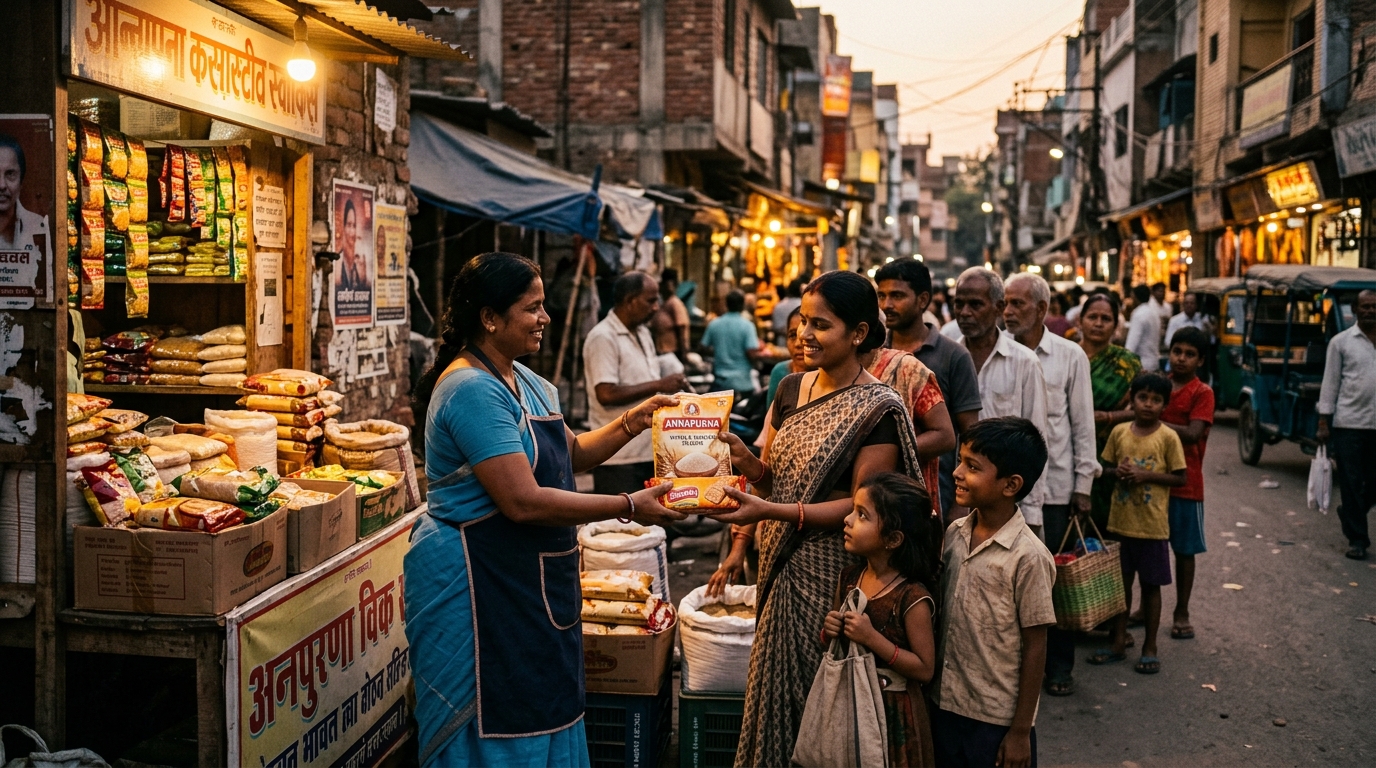
Second Harvest Community Reseller Distribution

Path to National Scale

From a 30-day lean execution pilot to a nationwide circular reverse infrastructure network.

1

Phase 1: Pilot

30-Day Hyperlocal Pilot
  • 1 Tier-1 City validation
  • ₹8,300 pilot budget
  • 100+ SKUs recovered
  • 300+ consumer orders
  • 25%+ gross margin test
2

Phase 2: Expansion

Months 6 to 18
  • 3 to 6 Tier-1 cities
  • 10+ retail partners
  • 20+ women resellers
  • AI dashboard launch
  • B2B SaaS subscription
3

Phase 3: AI Engine

Year 2
  • Predictive inventory engine
  • Dynamic pricing algorithms
  • Automated route planning
  • 735+ MT food saved / mo
  • SaaS revenue growth
4

Phase 4: Multi-City

Years 2 to 4
  • 10+ cities nationwide
  • Regional recovery hubs
  • Inter-city logistics
  • Standardized playbooks
  • National retail partnerships
5

Phase 5: Circular

Years 4 to 5
  • Zero food to landfill network
  • 50,000+ tonnes saved / yr
  • Policy engagement with FSSAI
  • Full residual processing
  • Pan-India infrastructure

Built for Execution & Scale

Combining technology architecture with hands-on physical supply chain operations.

Recognition
Global Runner Up — Katha VC Student Founder Competition

Ayush Sinha

Founder & CEO

Leads strategy, technology architecture, business development, reverse logistics operations, and unit economics. Responsible for the AI inventory intelligence platform, partner acquisition, and FSSAI compliance strategy.

Ready to Eliminate Packaged Food Waste?

We are seeking live pilot partnerships with organized retail chains, dark store operators, and FMCG manufacturers.